In this article8 min read
- Is a career change to HR possible without an HR degree?
- What did teaching teach me about HR?
- How do I describe my experience on an HR CV?
- What does a career change to HR look like over time?
- Where can I get support for my move into HR?
- What to do next
- Where should you start?
- Questions people ask about a career change to HR
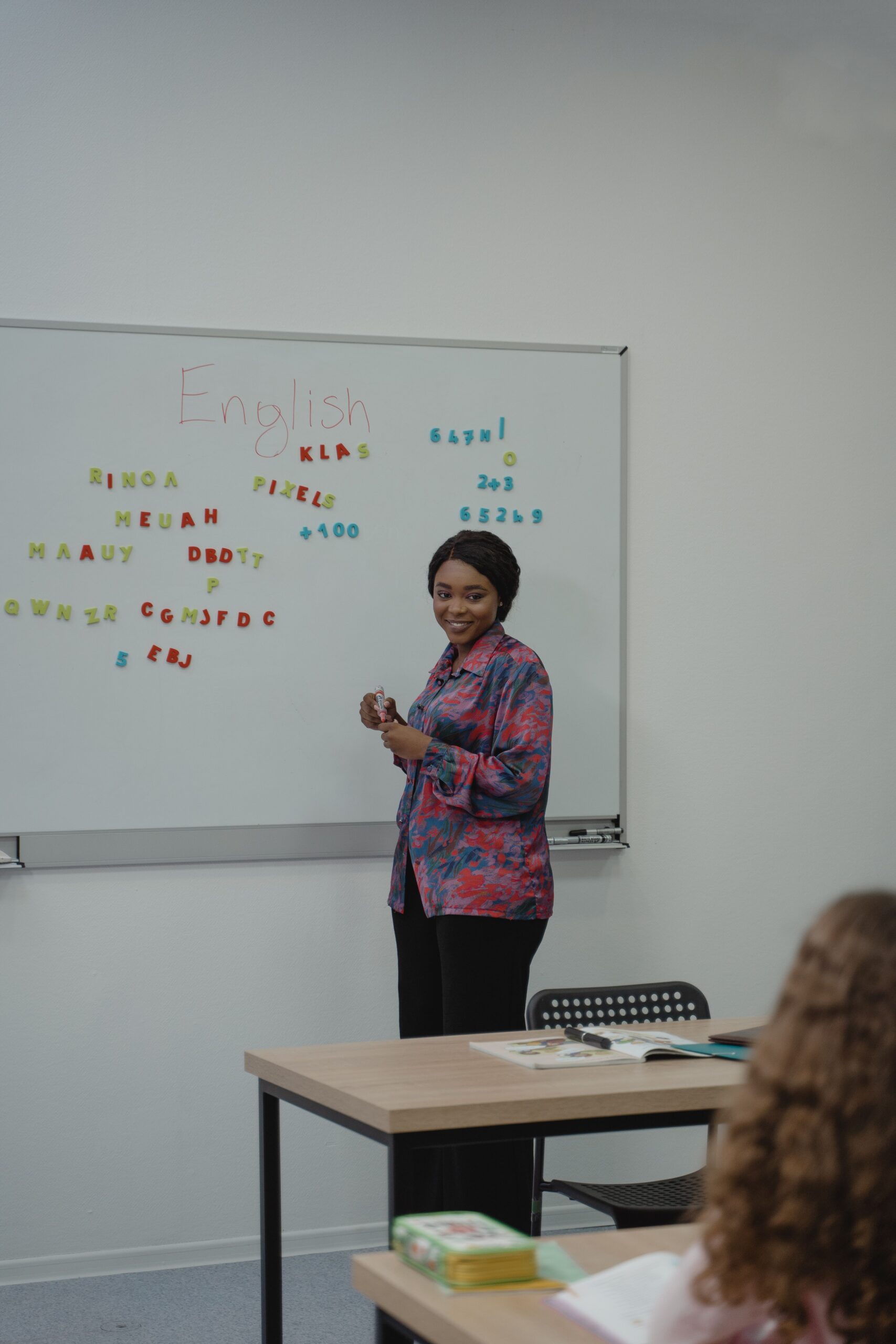
A career change to HR is more possible than most people think, especially if you already work with people. I know because I made the move myself. I taught for five years before I moved into HR in 2017. In October 2026, Africa Tech Frontier published a feature that traces that path.
Reading it back, I noticed how much of my HR work grew out of the classroom. So this post shares five lessons from my teaching years that apply to anyone planning a move into HR, whatever job you do now. You’ll also find a table to help you describe your experience in HR language.
Is a career change to HR possible without an HR degree?
Yes. Many HR professionals in Nigeria studied something else first. Employers hiring for entry-level HR roles look for people skills, good judgement, organisation and a working knowledge of HR basics. You can build the knowledge through structured learning, and you can show the skills from work you’ve already done.
A professional certification can help too. In Nigeria, the Chartered Institute of Personnel Management (CIPM) is the professional body for HR, and many employers recognise its exams. However, a certificate on its own won’t get you the job. Employers want to see that you understand how HR work is done day to day.
What did teaching teach me about HR?
Teaching taught me five things I still use in HR every week. Each one is a skill employers value, and each one can support a career change to HR from almost any job that involves people. As you read them, think about where the same skill shows up in your own work.
1. Explaining things simply
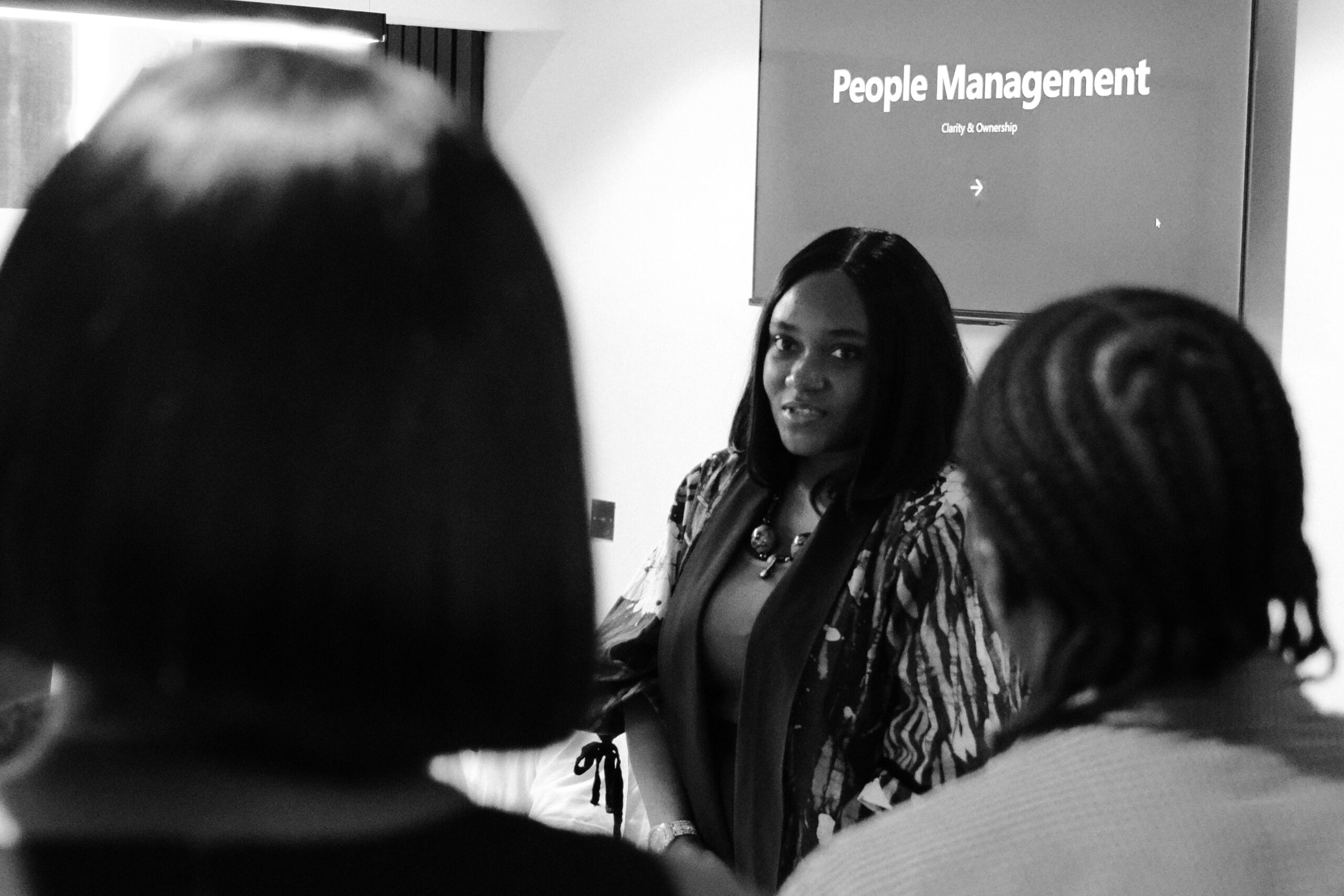
A teacher has to make a hard idea clear to thirty different people. HR does the same thing with a new leave policy, a pension deduction or an onboarding plan. If employees don’t understand a policy, they won’t follow it. That’s why teaching is still one of my strongest skills in HR.
2. Tracking how people are progressing
Teachers set goals, assess progress and give feedback. That’s very close to performance management. Later, when I handled performance reviews and skills matrices, the ideas felt familiar. I had been doing a version of them with students for years.
3. Handling difficult conversations
Teachers talk to worried parents and struggling students. HR talks to unhappy employees and anxious managers. In both cases you need to listen first, stay calm and explain the next step clearly. Practice in one setting carries straight into the other.
4. Keeping accurate records
Registers, report cards and continuous assessment scores all need to be accurate and kept safely. HR records are the same, only with more at stake. For example, a wrong date on a leave record or a missing document in a staff file can cause real problems later.
5. Learning by doing
Teachers adjust lessons as they go. I brought that habit into HR. In one of my early roles, I set up an HR department from scratch for a company of 90 staff. I wrote the policies and processes, tested them and improved them as I learned what worked.
How do I describe my experience on an HR CV?
Describe your experience on an HR CV by naming the HR skill first and then giving the proof from your current job. If you’re making a career change to HR, don’t list duties in your old job’s language and expect the employer to translate them. Do the translation for them, with one clear example for each skill.
I’ve reviewed many CVs as a hiring manager, and career changers often bury their best experience. Here is how some common tasks translate. The same approach works if you come from sales, admin, banking or customer service.
| What you did | How to describe it for HR |
|---|---|
| Planned lessons and taught a class | Designed and delivered training for groups of up to [number] people |
| Assessed students and wrote reports | Set goals, tracked progress and gave written feedback |
| Met parents about concerns | Handled sensitive conversations and resolved complaints |
| Kept registers and records | Maintained accurate, confidential records |
| Helped new teachers settle in | Supported onboarding and mentoring of new staff |
Replace the brackets with your real numbers. A specific example is always stronger than a general claim.
What does a career change to HR look like over time?
A career change to HR usually starts in a generalist or HR assistant role, then grows as you take on more responsibility. Your path depends on the companies you join and the work you say yes to. Mine moved from setting up a small HR function to managing pay and benefits for hundreds of people.
The Africa Tech Frontier feature covers the details. After setting up that first HR department, I worked in people operations, where I managed compensation and benefits for more than 600 employees. Later, I built people systems in education, engineering, oil and gas, financial services, fintech and medical services. Today, counting my teaching years, I’ve spent about 14 to 15 years developing people.
I share this because I want you to see that each step was built on the one before it. I didn’t start over when I left teaching. Instead, I took the experience and training I already had and used it in a new setting.
So you have something to offer. Put that forward, then fill the gaps in your HR knowledge one at a time.
Where can I get support for my move into HR?
You can get structured support through the HR Primer Launchpad, a coached programme for people making a career change to HR. It gives you practical HR knowledge, real tasks to practise on, and group coaching so you can build clarity, competence and confidence before you apply for HR roles.
When I started in HR, I didn’t have much mentorship, feedback or ready resources. I built the Launchpad to give participants those things from day one. The next cohort, Cohort 8, starts 8 February 2027. Read how the Launchpad works. If the fee is a concern, see how the Launchpad Piggy Bank lets accepted applicants save towards it.
Making the move from another career? The HR Primer Launchpad is built for people like you: you bring real experience, and we help you turn it into HR knowledge, practice and a CV that shows it. Cohort 8 starts 8 February 2027. Apply for the Launchpad.
What to do next
You don’t need to change everything this week. Start with these steps:
- Read the Africa Tech Frontier feature to see one full career path from teaching to HR.
- List five tasks from your current job that involve people, records or training.
- Rewrite each one in HR language, using the table above as a guide.
- Pick one HR topic you don’t know well yet, such as onboarding or leave management, and learn it properly.
- Browse more posts on breaking into HR, then decide whether a structured programme would help you move faster.
Where should you start?
Pick the line that sounds most like you.
- Still deciding whether HR is right for you? Read more posts on breaking into HR.
- Ready and want structured support? Apply for the HR Primer Launchpad.
- Ready, but worried about the fee? Once you’re accepted, save towards it with the Launchpad Piggy Bank.
Related: HR training in Nigeria: two new ways into the Launchpad, for help with the fee and for university students.
Questions people ask about a career change to HR
Is HR a good career change for teachers?
HR is a good career change for many teachers, because both jobs centre on developing people. Teachers already explain ideas clearly, give feedback, keep records and handle sensitive conversations. To make the move, they need to learn HR processes and Nigerian employment basics, and then show their classroom skills in HR terms.
Do I need CIPM before I apply for HR jobs?
You don’t always need CIPM before applying for entry-level HR jobs in Nigeria, although some employers ask for it or prefer it. It’s worth planning for if you want a long HR career. In the meantime, practical knowledge and clear examples of transferable skills will help your applications stand out.
How long does a career change to HR take?
A career change to HR takes different lengths of time for different people. It depends on your current experience, how much time you can give to learning, and the roles you apply for. A clear plan, steady practice and an HR-focused CV will shorten the process more than waiting for the perfect moment.
Which jobs make it easier to move into HR?
Jobs that involve people, records or training make the move into HR easier. Teaching, administration, customer service, sales and banking all build skills that HR uses every day. What matters most is how well you explain those skills to an HR hiring manager, with real examples and numbers.
A career change to HR doesn’t mean starting from zero. It means taking the people skills you already have and learning to use them in a new role. So look at your current job with fresh eyes this week. The proof you need for your first HR role is probably already there, and the Launchpad can help you shape it.